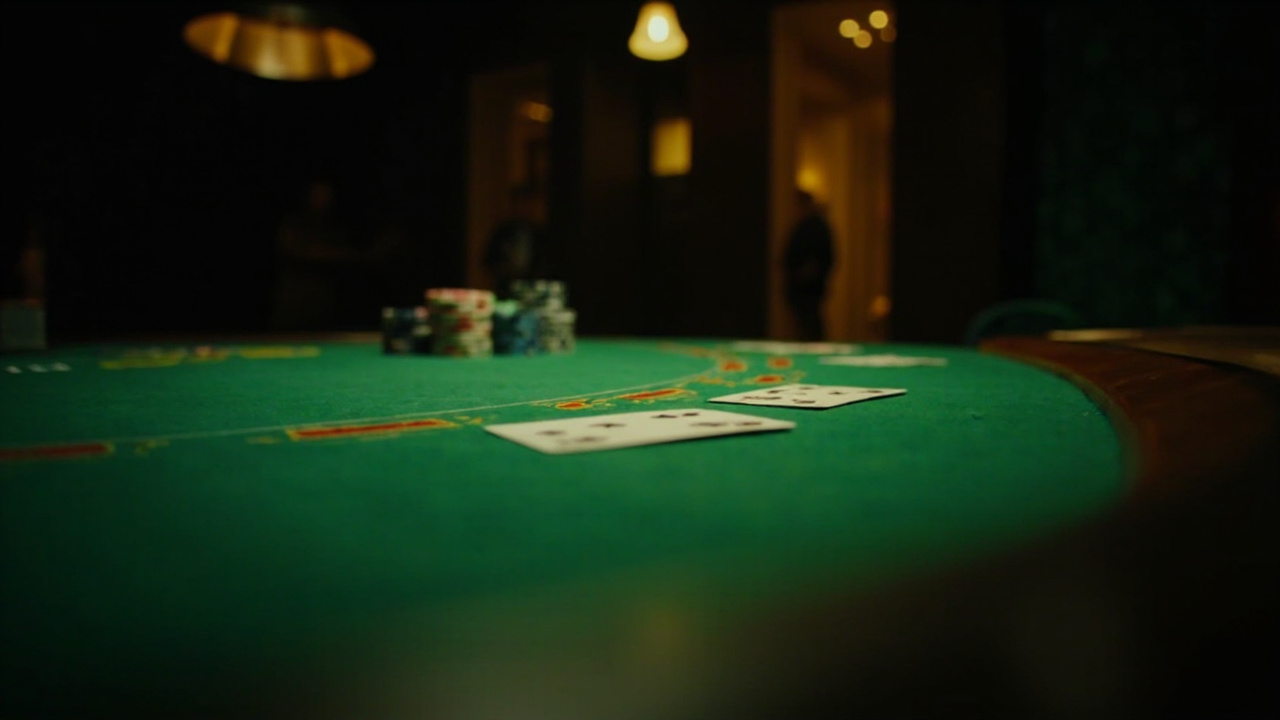
When blackjack card counting casino countermeasures come up in conversation, most punters picture a shadowy back room and a banned wristband, but the real story is about how venues protect their tables while keeping the game fair for everyone. I have spent years building localised acquisition funnels across LATAM, and the same principle applies here: a house edge only works when the environment is consistent, transparent and tuned to the local crowd. In Geelong, where the local clubs run busy arvos and the pub tables stay packed through the weekend, the approach feels less like a crackdown and more like a steady set of rules that keep the shuffle honest. If you are weighing up where to sit down and play, the questions you ask about surveillance, shuffle timing, table limits and how a venue handles a suspected count should drive your choice far more than any flashy sign on the door.
How Venues Spot a Count and What They Actually Do
The first thing to weigh is how a pit crew or a digital table system flags a potential count, because the countermeasures themselves shape the whole experience. Most Australian venues lean on a mix of manual observation and shuffled timing rather than dramatic ejections, and that matters if you want a table that feels steady instead of hostile. A dealer who cuts the deck more often, a shoe that gets swapped after a set number of hands, and a pit boss who simply watches bet sizing patterns are the everyday tools, not Hollywood theatrics. I have seen the same localisation logic play out in LATAM markets where we adjusted bonus messaging to match regional payment habits, and here the parallel is clear: a venue that tunes its shuffle rhythm and bet monitoring to the local crowd keeps the game moving without turning every raise into a confrontation. If a table resets its shoe too aggressively, the count never gets a chance to build, and that is exactly the point of the countermeasure. You should weigh whether the pace suits your style, because a faster shuffle cycle can flatten variance in a way that feels fair to a casual player but frustrating to someone chasing a long run.
What Changes When the Table Goes Online
The second question is whether you are sitting at a felt table or tapping a screen, because blackjack card counting casino countermeasures shift shape when the game moves to a browser or an app. Online versions rarely leave room for a traditional count anyway, since the virtual shoe resets on a fixed schedule and the hand history is already tracked behind the scenes, but the mobile experience still needs to feel responsive if you want to stay engaged. I have reviewed plenty of setups where the navigation on a phone felt cramped and the bet buttons sat too close together, and that kind of friction matters more than any theoretical edge. A well-built mobile table keeps the layout clean, loads without lag, and lets you adjust your stake without hunting through menus, which is the practical version of a countermeasure that actually works for the player. If you are comparing options, look at how the game handles a quick session on the train into Geelong or during a quiet arvo at home, because performance and navigation are the real gatekeepers of whether you stay or bounce.
A Mate’s Guide to Reading a Table Before You Sit
If you are completely new to this, here is how I would walk a mate through it over a coffee, step by step, so the choices feel practical instead of abstract.
First, we would look at the basic controls so you know how to move without feeling stuck. Then I would encourage you to play wanted dead or a wild at https://wanteddeadorawildau.com/ to see the mechanics in action. Finally, we would talk about how those choices change the outcome of the session.
- Start by watching the shuffle timing for a few minutes before you buy in, because the way a shoe gets cut and replaced tells you whether the table is built for a slow build or a quick reset.
- Check the minimum and maximum stakes on the felt or the screen, since a wide betting spread is the first thing a vigilant pit crew notices and the first thing a fair table should state plainly.
- Gauge the pace of the dealer or the software, because a rushed hand cycle flattens any count and a steady one gives you a clearer read on how the game actually feels.
- Look at how the venue or the app handles a sudden jump in your bet size, since a transparent table will simply let the hand play out while a nervous one will start watching you like a hawk.
- Decide whether the whole setup suits a casual session or a longer run, because the right choice is the one that matches your patience, not the one that promises a shortcut.
What the Experts Watch When the Edge Gets Thin
The third question is about what happens when a count starts to bite, and that is where the experts I trust keep the conversation grounded in numbers rather than hype. Samuel O’Brien, Product Analytics Lead, Oceanic Gaming Strategy, has pointed out that the real signal is rarely a single big bet but a steady drift in stake sizing across a session, which is why a venue that tracks patterns quietly is usually calmer than one that reacts to every raise. Benjamin Fraser, Marketing Director, Waratah Digital Group, has also noted that the player experience suffers most when a table overcorrects, because a shuffle cycle that is too aggressive or a pit response that is too loud can turn a fair game into a tense one. Those views line up with the localisation-first approach I have pushed in LATAM, where we learned that a bonus or a table rule only lands when it fits the way people actually play in that region. When you are weighing a venue, the question is not whether they have countermeasures, because they will, but whether those measures feel measured and consistent rather than theatrical.
How to Weigh Your Own Session Before You Commit
The final question is the one that actually decides your night: whether the table, the pace and the stake structure suit the way you want to play, because blackjack card counting casino countermeasures only matter if you are honest about what you are trying to get out of the session. If you are after a steady bit of fun with a clear buy-in and a table that does not feel like it is watching your every move, a venue with a predictable shuffle rhythm and a calm pit response is usually the better fit. If you are the sort who likes to track the shoe and adjust on the fly, you will want a table that gives you enough hands between shuffles to make that effort meaningful, and you should be ready for the fact that a vigilant crew will notice the pattern anyway. I have always judged these setups the same way I judge a regional campaign in LATAM: the right choice is the one that matches the local habits and the real pace of play, not the one that sounds clever in theory. In Geelong, where the local scene runs on a mix of weekend crowds and weeknight regulars, that means picking a table that fits your schedule and your patience, then sitting down with a clear limit and no illusions about beating a system that is designed to stay balanced.

The smartest move is to treat the countermeasures as part of the game’s shape rather than a hurdle to outsmart, because a table that shuffles on a steady cycle, watches bet patterns without drama, and runs cleanly on a phone or at the felt is usually the one that lets you enjoy the session without turning it into a cat-and-mouse routine. Play within your limits, watch the pace before you commit, and pick the setup that matches how you actually want to spend an evening, because that is the choice that holds up long after the shoe is done.
