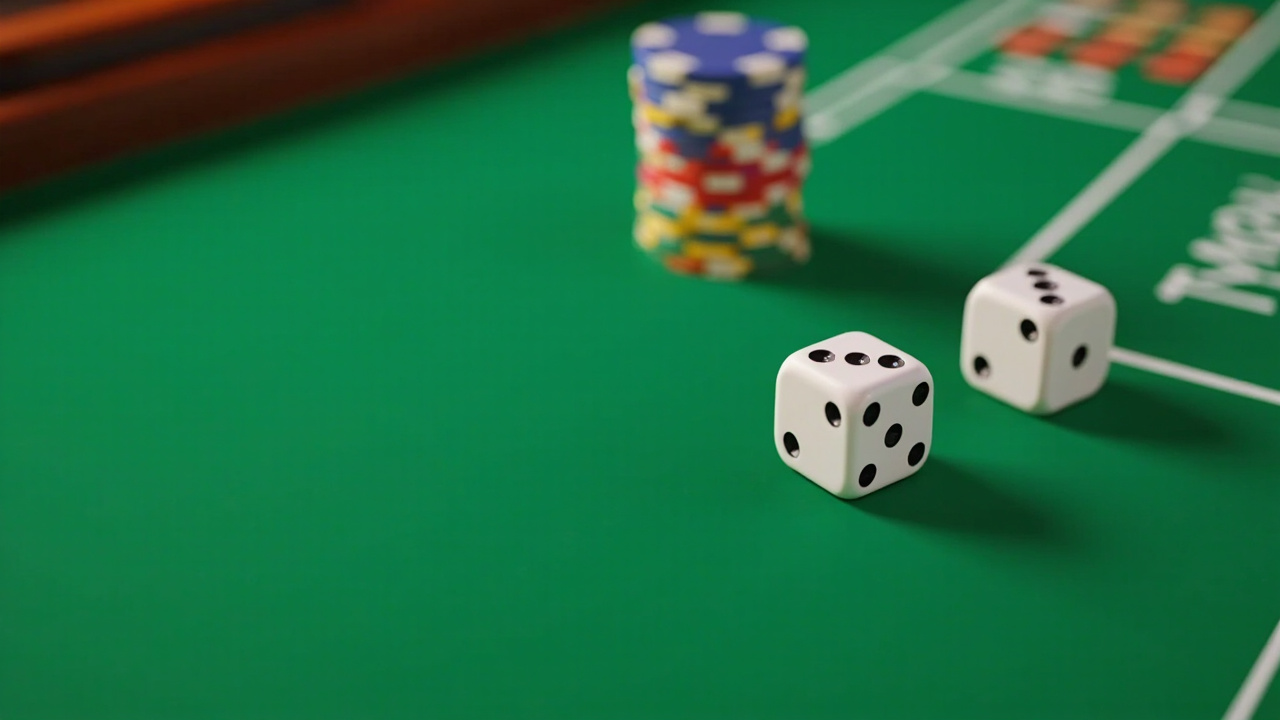
Craps house edge explained is more than a maths lesson for Aussie punters chasing a fair go at the table. In the casino, the pass line and its odds bet tell a clear story about how the house keeps its margin while players still get genuine action. I have spent years mapping lifecycle campaigns across membership and iGaming verticals, and the same disciplined thinking applies here: know the edge, set your limits, and treat every session like a measured spend rather than a lottery ticket.
How the Dice Numbers Shape Your Edge
The core mechanic is straightforward once you strip away the table chatter. A pass line wager carries a house edge around 1.41 per cent, while don’t pass sits slightly lower at roughly 1.36 per cent, and those figures stay fixed regardless of how busy the pit feels on a Friday arvo. The real lever for a disciplined player is the odds bet, which carries zero house edge and simply scales your exposure against the point. When I design retention flows for membership programmes, I always separate the base offer from the incremental upside because that is where the actual value lives; craps works the same way, and the odds component is the only part of the table that genuinely levels the maths. Perth clubs and local operators who run dedicated table nights know this, which is why they push the pass line with multiple odds multiples rather than packing the layout with proposition bets that quietly drain a bankroll.
Where the Real Edge Hides on the Layout
Proposition wagers look flashy but carry the steepest margins, and that is where most casual players lose their discipline. Any seven sits near 16.67 per cent, while hard ways and the field bet push the house advantage well into double digits. I have reviewed lifecycle automations for APAC digital campaigns where the temptation to chase a quick payout mirrors the same impulse that sends punters toward the centre of the craps layout; the numbers do not care about the excitement, and the edge compounds the moment you step away from the pass line and its odds. A sensible approach means treating the middle of the table as entertainment tax rather than a strategy, and keeping your main action on the bets that actually respect the maths.
Reading the Table Before You Put Chips Down
Knowing the edge is one thing, but reading how a table is actually run matters just as much. Dealers who rush the pace, tables with tighter minimums, and venues that push proposition bets with flashy signage all shift the experience away from the raw percentages. I have built automation sequences for iGaming brands where the onboarding step is deliberately paced to let players absorb the rules before any real money moves; craps deserves the same patience, especially when you are sitting in a Perth casino lounge where the noise and pace can distract you from the actual wagers on the felt. A quick scan of the layout, the minimum and maximum limits, and whether the table actively encourages odds bets tells you more about your session than any superstition about dice control ever will.
What This Means for Your Session Plan
A practical session plan starts with the pass line and a small odds multiple, then expands only if the table pace and your bankroll comfortably allow it. The goal is not to outsmart the dice but to keep the house edge contained while you enjoy the rhythm of the game. When I structure CRM journeys for membership retention, I always cap the exposure first and layer the engagement second because that is how you keep the experience sustainable; the same logic applies here, and it is why a measured odds bet beats a scattergun spread across the layout every time. If you want to see how a table-run game translates into a demo environment before you commit to a live floor, you can spin up a wanted dead or a wild demo in free edition and watch how the pace and bet structure feel without any real money on the line.
When the rhythm feels steady, you can introduce controlled side bets without letting them dictate your pace. Keeping your sessions grounded in that same measured approach means you always leave the table with your bankroll intact. If you want to see how a disciplined practice routine translates to real-time play, you can review the wanted dead or a wild demo in free edition at https://wanted-dead-or-a-wild-demo-au.com/.

For an Australian player weighing whether the craps table is worth the seat, the verdict is simple: stick to the pass line with a sensible odds multiple, treat the centre bets as paid entertainment, and let the house edge stay where the maths puts it. The game rewards patience and discipline far more than it rewards hunts for a quick strike, and that is a fair go anyone can work with.
