I spend most of my working week modelling virtual RNG output for Easygo Gaming, so I approach any poker freeroll strategy guide the same way I treat a volatility table: with expected value, not hope. Freerolls look like free money until you watch the rake pool and the blind structure do their work. The maths is plain enough once you stop treating a free buy-in as an excuse to play every hand. Below is a practical walkthrough of how a player actually moves through a freeroll session, with the interface and localisation details that matter when you are sitting in regional New South Wales and the site is trying to speak Australian.
When I run simulations on a 180-player freeroll with a 30-minute level, the equity you actually capture depends far more on your starting position and your fold discipline than on any flashy shortcut. A proper poker freeroll strategy guide should start by telling you what you are not getting: a soft field, a slow clock, or a generous payout curve. You are usually walking into a multi-table pool where the house already carved its fee out of the prize pool before the first card is dealt. That is not cynicism, it is just how the model balances. If you treat the session like a lottery ticket, you will lose the small edges that compound across levels.
Reading the Table Before the First Hand

The first thing I look at in any poker freeroll strategy guide is the lobby itself, because the interface tells you more than the marketing copy ever will. A site that wants you to stick around will show blind levels, remaining entrants, and the prize breakdown in a place you can see without clicking through three menus. When I tested a few Australian-facing rooms, the ones that localised properly dropped the currency confusion early: AUD balances, cents displayed cleanly, and chip denominations that match the actual stakes rather than some fantasy unit. Navigation should not make you hunt for the rebuy window or the sit-and-go filter, because every extra tap is a moment you are not paying attention to the table. thepokies.net bonus codes 2026
Language matters here too. A room that talks to you in proper Australian phrasing, with no awkward localisation glitches in the hand history or the chat, keeps the session readable when the action gets busy as a Friday arvo at a local club. You do not need a glossary of branded nonsense; you need clear buttons, a stable table list, and a search that actually finds the freeroll schedule instead of dumping you into a generic lobby. I have seen rooms where the mobile view collapses the payout grid so much you cannot tell whether you are sitting in a 20-player event or a 200-player one. That is a usability problem, not a cosmetic one, and it changes how you size your attention before you even post.
A practical poker freeroll strategy guide should also tell you what to ignore in that first minute. Pop-ups pushing a deposit, badges that mean nothing, and countdown timers wired to a bonus prompt are all noise. The only numbers that matter are the field size, the starting stack, and the level timer. If the room makes those hard to find, treat it as a warning sign rather than a puzzle to solve. I would rather sit at a plain table with a readable layout than chase a polished lobby that hides the structure behind animated icons. The maths does not care how the screen looks, but your decision speed does.
- Open the lobby and confirm the event is actually a freeroll, with no hidden buy-in or qualifying requirement hiding in the fine print.
- Check the starting stack, the blind level duration, and the number of registered players still in the pool.
- Read the payout structure so you know where the money stops, because a top-heavy curve changes how aggressively you need to play early.
- Join a table with a manageable seat count rather than the busiest one, since a crowded table slows your decisions and increases the chance you miss a key spot.
- Set your own mental limits before the first hand, including the point at which you will stop chasing a marginal draw just because the buy-in was free.
How Position and Patience Actually Pay
Once the cards are out, a poker freeroll strategy guide that respects the maths will tell you to play tighter than you feel like playing. Freeroll fields often contain a noisy mix of casual entrants and a smaller core of regulars, and the regulars are the ones who will punish loose calls when the blinds climb. I have run enough simulations to know that the early levels are not where you build a stack by hero calls; they are where you keep your equity intact and wait for spots where the pot odds actually justify a raise. Patience sounds boring until you see how quickly a free stack evaporates when you treat every top pair as a bankroll event.
Position is the real lever here. Acting last lets you see what the field does before you commit, which matters more in a freeroll than in a cash game because the prize pool is already capped and the house edge is already baked in. When I compare this to the volatility work I do for Easygo Gaming, the same principle shows up: you do not need a huge edge on every hand, you need enough discipline to avoid bleeding chips in marginal spots. A few well-timed folds in the first two levels often do more for your final standing than a string of speculative raises that only work when the board cooperates.
The mid-levels are where the session turns, and this is where a decent poker freeroll strategy guide earns its keep. Blinds start to bite, stacks tighten, and the players who survived the early chaos start looking for action. That is your cue to tighten up again, not loosen. If you have a healthy stack, you can apply pressure with raises that are sized for the table, not for your ego. If you are short, you are looking for higher-denomination opportunities where a single good hand can get you back into the picture, rather than grinding out tiny pots that do not move the needle. The goal is not to play every hand, it is to keep your options open until the payout window actually opens.
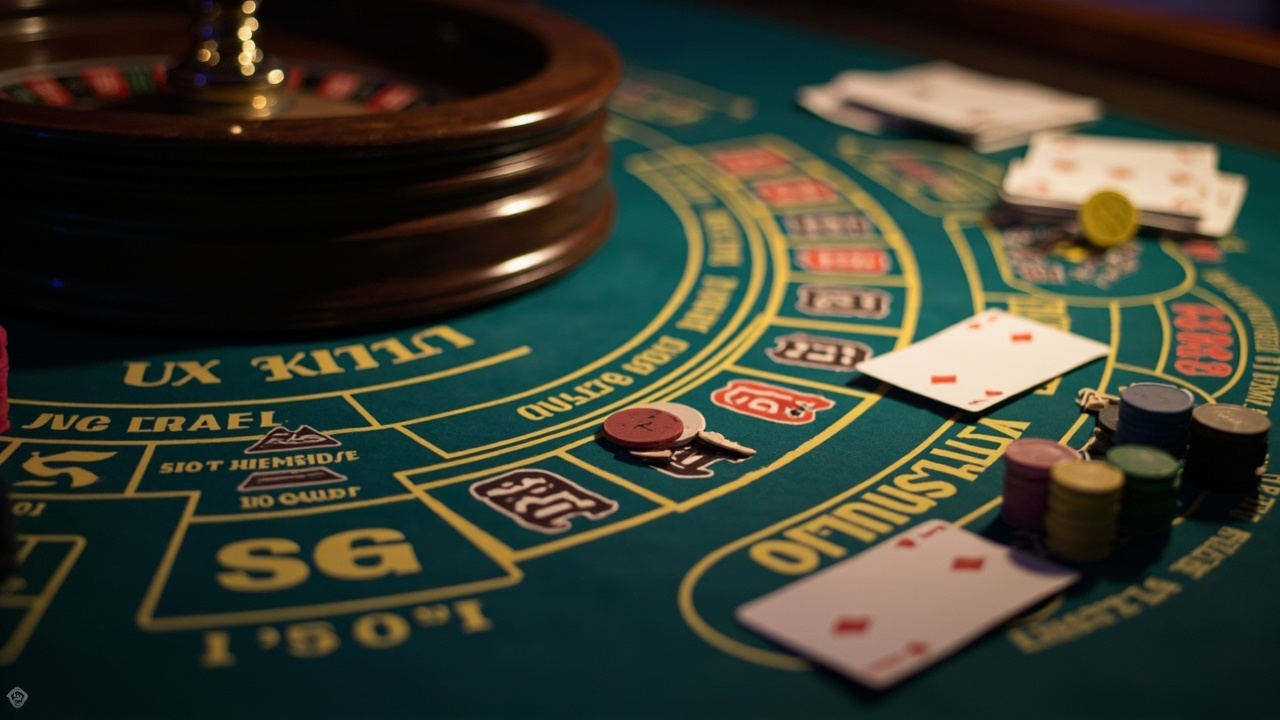
There is a fair bit of folklore around freerolls that I would ignore. The idea that a free entry somehow changes the fundamental game is wrong, and the idea that you should play recklessly because nothing was wagered is worse. Sienna Murray, Head of Public Relations, Swan River Interactive, has put it plainly in my experience of reading how operators describe these events: “Freerolls are marketed as low-risk fun, but the table dynamics are the same as any other tournament, so the players who survive are usually the ones who manage their stack instead of chasing every hand.” That is the kind of caveat worth keeping in mind when the chat starts sounding like a tip sheet.
Managing the Session When the Clock Moves
The last part of any useful poker freeroll strategy guide is the part most people skip: how to handle the session when the blinds are climbing and your focus is starting to slip. I treat this like a volatility window in a simulation. You have a finite amount of decision quality to spend, and the later levels are where that quality matters most. If you have been playing well, you are not trying to reinvent the game in the final stretch; you are trying to keep your stack alive long enough to see a real payout opportunity. If you are behind, you are not suddenly going to outplay the field by turning into a bluffing machine, and pretending otherwise just burns the rest of your time.
Localisation and payment clarity matter here more than people admit. If you are playing in regional New South Wales and the room presents your balance in AUD with clean denominations, you can judge your stack in real terms instead of chasing abstract chip numbers. I have seen sessions derailed by confusion over what a rebuy actually costs, whether a bonus chip counts toward a payout, or how the prize grid changes when the field drops. A room that handles these details transparently makes the late levels easier to read, because you are not guessing at the rules while the clock is moving. That is not a fancy feature, it is just good design.
Mobile play adds its own friction, and a proper poker freeroll strategy guide should acknowledge it. A stable app or mobile site that keeps the table visible, the chat manageable, and the action buttons reachable is worth more than a glossy desktop build that falls apart on a phone. I am not interested in promotional language about convenience; I am interested in whether the screen still shows the blinds, the pot, and my position when I am on the move. If the interface forces you to zoom, scroll, or second-guess what you tapped, you are playing at a disadvantage before the next hand is dealt. The session should feel readable, not like a test of your patience with the software.
Support and loyalty mechanics are the background noise most players ignore until something goes wrong. A room that answers questions in plain language, without making you decode a wall of terms, is easier to sit with when you need a hand history or a clarification on a payout. Loyalty points that actually mean something toward future play are useful; points that exist mostly to nudge you toward a deposit are not. I judge these things the same way I judge any model output: by whether they behave consistently under pressure, not by how they look in a promo banner. If the room’s promises do not hold up when the action gets busy, the rest of the polish does not matter much.
When the final levels arrive, the best move is often the boring one. Protect a decent stack, avoid marginal spots, and wait for a hand where the price of entry is actually justified by the pot and your position. A poker freeroll strategy guide that tells you to get adventurous at the wrong moment is doing you a disservice. The field narrows, the blinds climb, and the players who made it this far are usually the ones who kept their discipline intact. That is where the session earns its keep, not in the first five minutes of loose excitement.
If you want a practical way to think about these events, treat the whole thing as a controlled exercise in stack management rather than a free shot at a big win. The house already took its cut, the field is what it is, and your edge comes from folding when the maths says fold and taking a real price when the maths says take it. I would rather see a player walk away with a clearer read on their own discipline than one who leaves thinking a free buy-in somehow changes the odds. That is the part of a poker freeroll strategy guide that actually survives contact with the table.
When you are ready to look at promotional offers that sit outside the freeroll itself, it is worth checking the terms on a site like thepokies.net bonus codes 2026 before you assume any extra value is genuinely useful.
